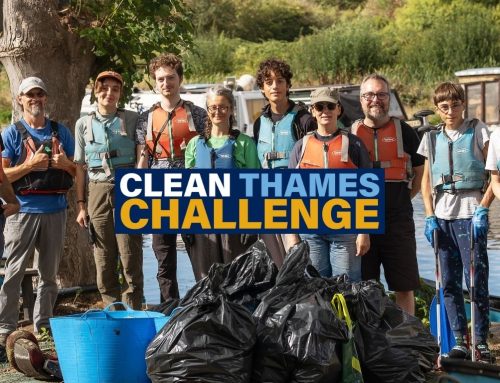
Coming together for a cleaner, safer River Lea
The River Lea is one of London’s most important blue-green corridors, connecting communities, supporting wildlife, and providing vital space for recreation and learning. It faces real pressures: litter and plastic pollution, water quality issues from sewage and road run-off, invasive species such as floating pennywort, and habitat loss. Protecting it requires the combined efforts of local communities, organisations, and agencies working together including through the London Lea Catchment Partnership.
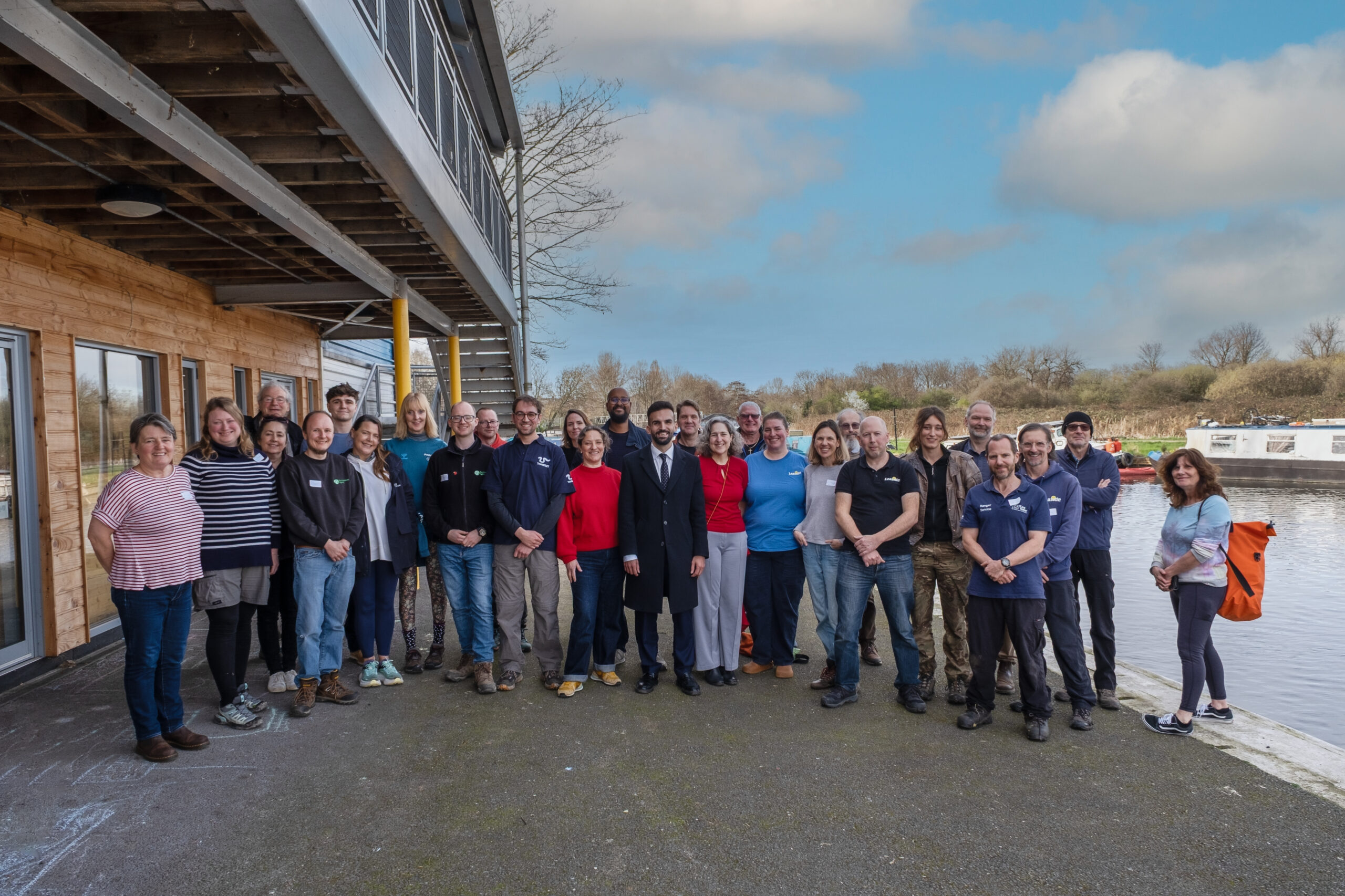
On a crisp March morning, around 20 people gathered at Leaside’s Spring Lane base in Hackney. Some arrived in suits. Others came in waterproofs. By the time they split into canoe and canal boat groups and headed out onto the River Lea, they were united by one thing: seeing the river as it actually is.
This Pollution Safari gave participants the chance to see the river first-hand, from the community’s perspective, to understand the challenges and explore practical ways to take action. Community partners were also keen to develop a better understanding of local and regional strategies for the Lea. By sharing local knowledge, community insight, and practical interventions, the event aimed to inspire collaboration and strengthen partnerships — helping to ensure the River Lea remains a thriving space for people, wildlife, and future generations.
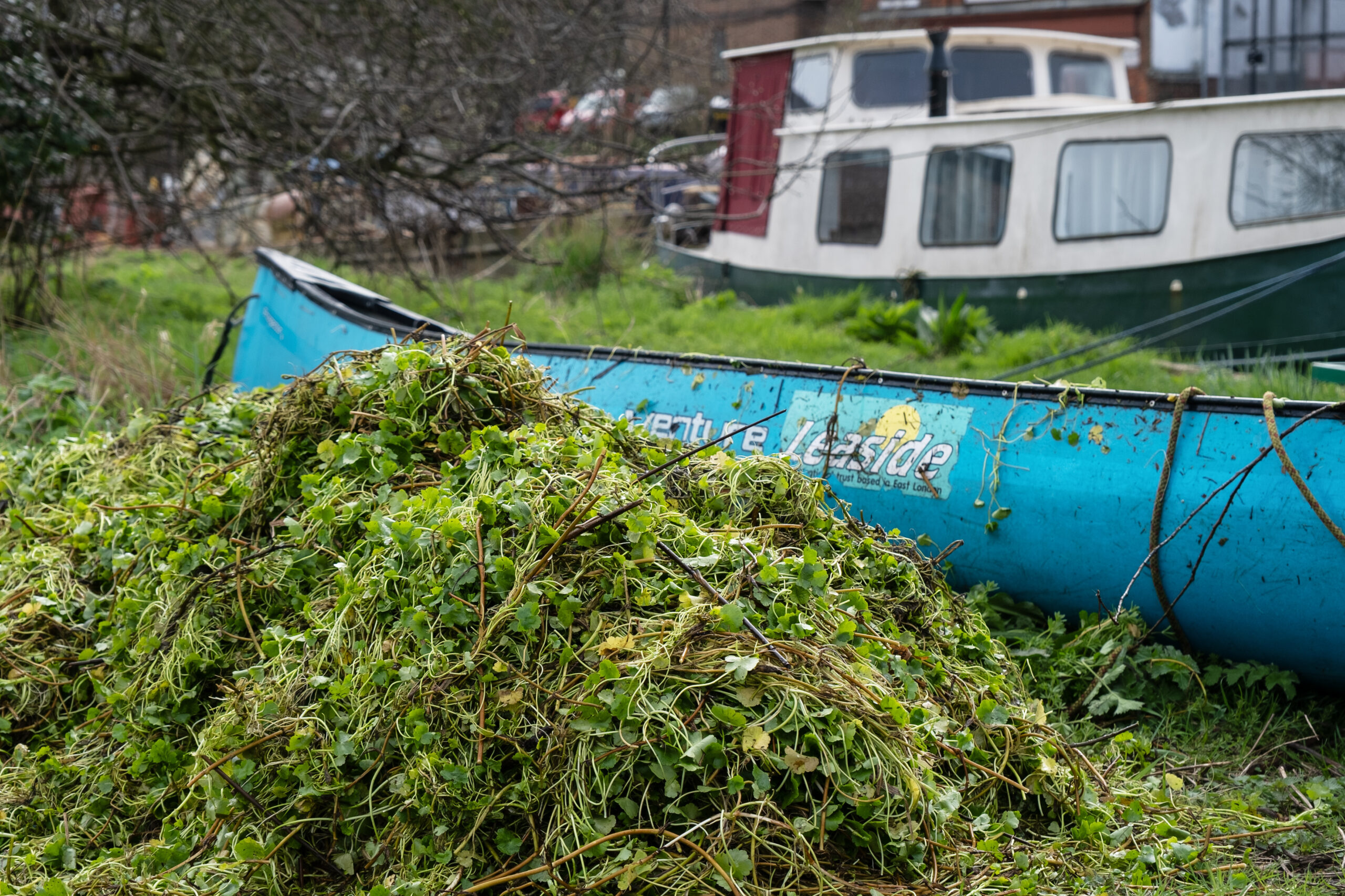
The event was designed to be practical, not ceremonial. Participants didn’t just hear about the problems facing the Lea, they went out and looked at them: invasive floating pennywort choking the channel, plastic litter caught in eddies, the telltale grey residue of surface water discharges on the banks, and the outlets that feed unknown quantities of road run-off directly into the water.
60+
Years Leaside has taken young people onto this river
4,000
Children from school groups on the Lea each year
20+
Organisations and partners represented on the day
Why host a Pollution safari?
At Leaside, the River Lea isn’t a backdrop. It is the whole point. For six decades, generations of young people, many from some of Hackney’s most underserved communities, have come to this site, got into boats, and had experiences that changed their lives. The river has always been the medium through which that happens.
But over the past decade, something has shifted. Our Centre Manager Ian, who has been here for 34 years, described watching river quality improve in the years around the 2012 Olympics, and then seeing a slow, troubling decline set in afterwards. The incidents became more frequent. The amber and red days multiplied. A staff member quit because they didn’t feel safe bringing children onto the water.
“From one class of 30, I got a phone call from their headteacher saying eight of the children who came down here couldn’t go to school the next day because they got ill. That’s not what you want. We want to be giving these children a really positive, beautiful experience of being out in nature.”
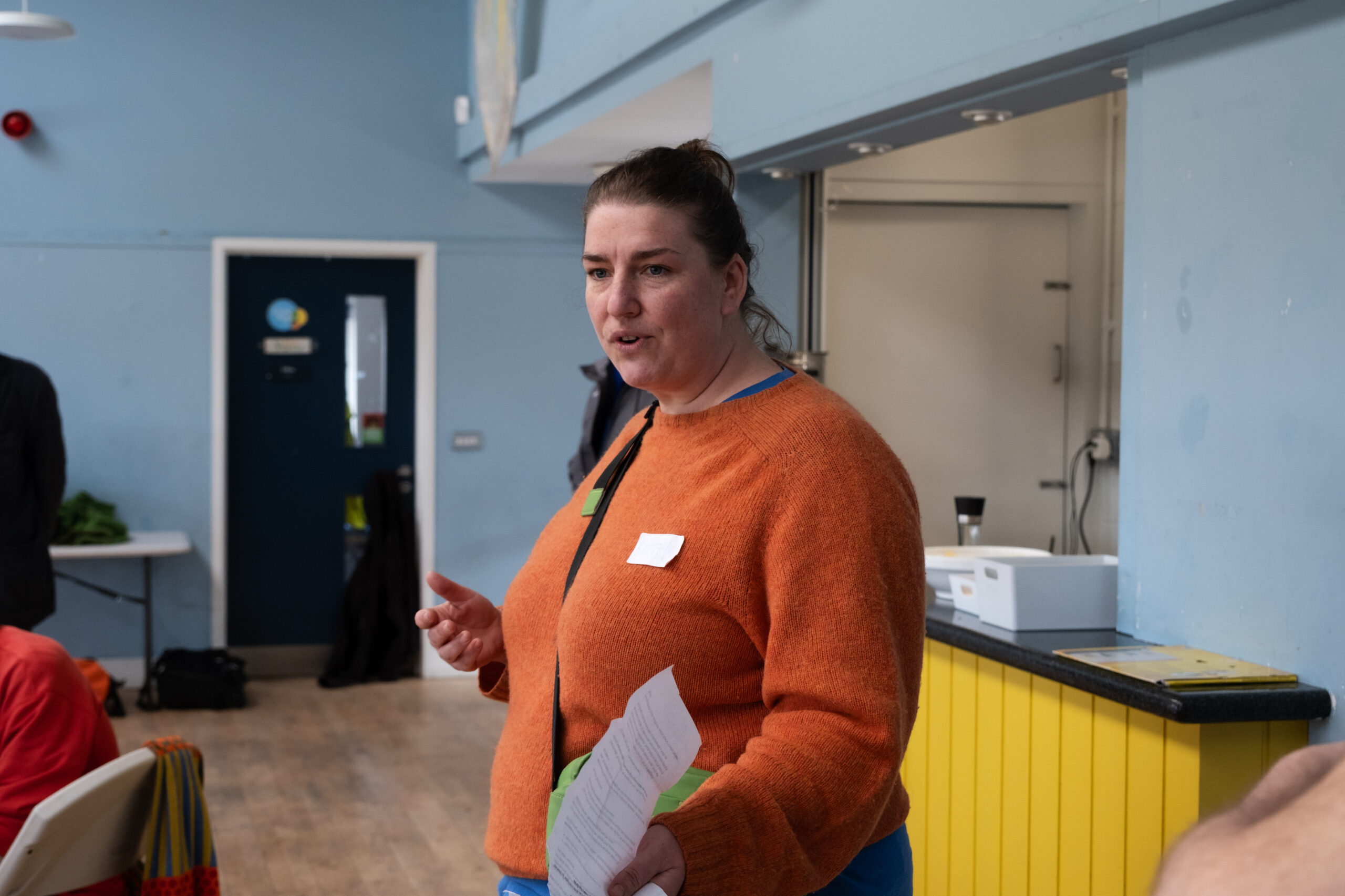
In response, we built our own monitoring systems: a daily check of Thames Water’s discharge map, a hydrology meter that tests water quality every half hour, a red/amber/green/black day rating that determines whether we go near the water at all. We are proud that over summer 2024 no children got sick. But the question Beth posed to the room — “Is this just how it is now?” — is one we refuse to accept.
What we saw on the water
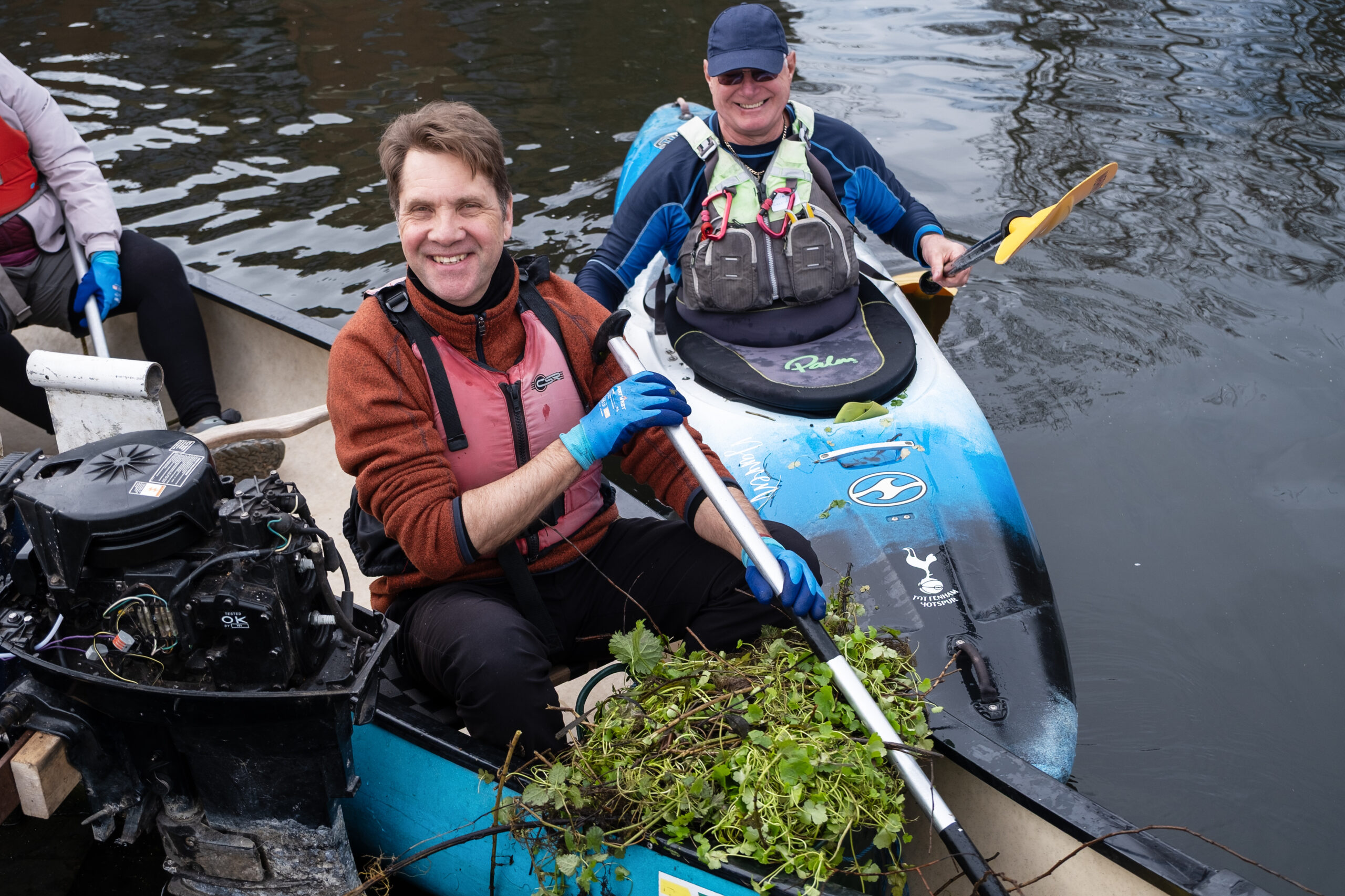
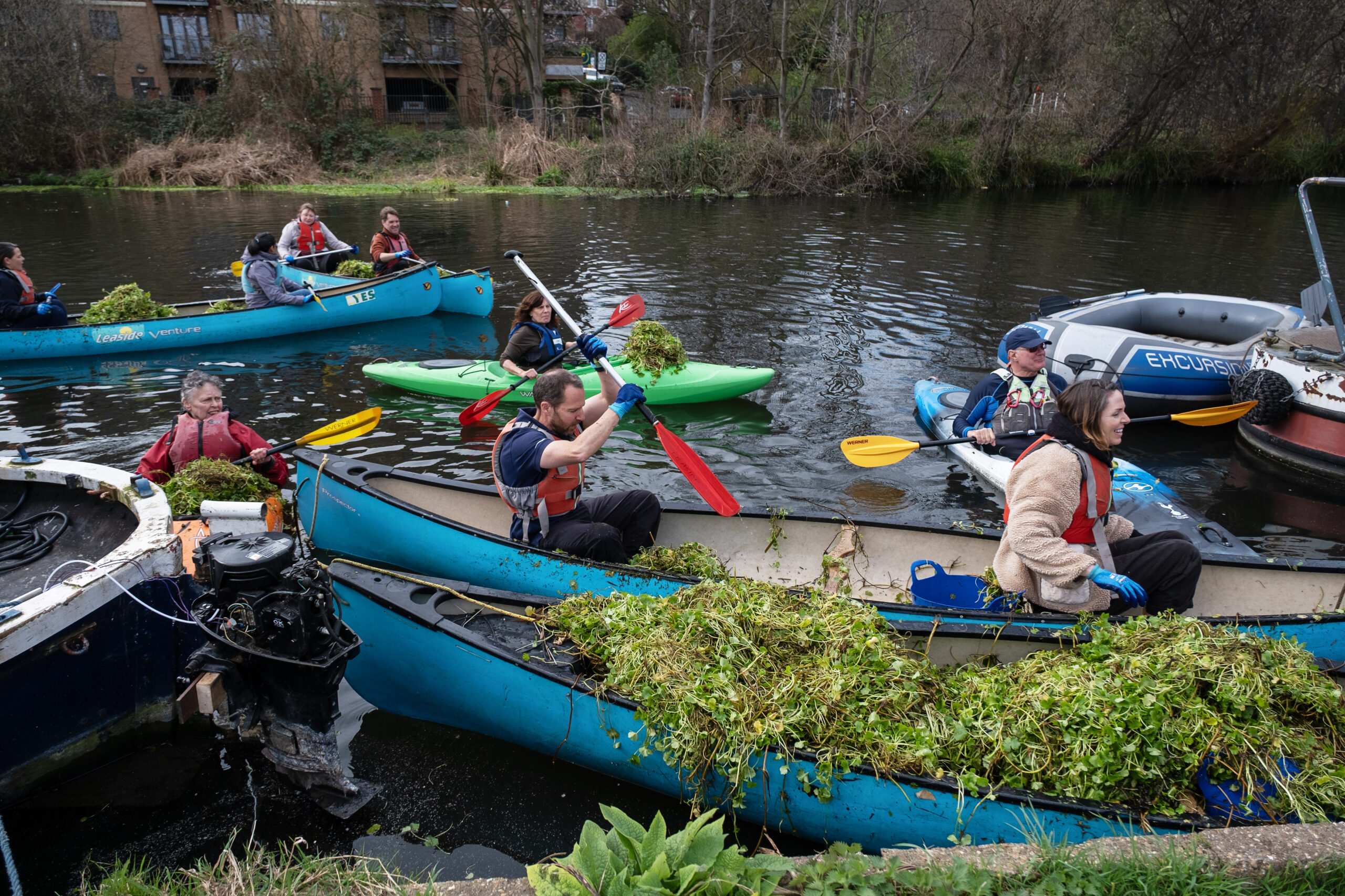
Participants split into three groups. The canoe group did practical work: litter picking, floating pennywort removal by hand, and identifying pollution hotspots up close. The canal boat group headed north towards Tottenham Lock, with experts pointing out everything from invasive plant growth to the milky discharge that signals sewage presence in the water. On the towpath the third group picked litter from green spaces that follow the canal.
Floating Pennywort
An invasive species that chokes the channel, blocks passage for boats and wildlife, and can cause flooding. The partnership is now targeting full eradication — not just management.
Road Run-off
After dry spells followed by rain, oil, diesel, microplastics, and heavy metals wash from roads straight into the Lea. There is currently no effective monitoring system for this on the river.
Sewage & Discharges
Storm overflows and surface water outlets feed into the river regularly. Some can be tracked via the Thames Water EDM map. Others, the surface water misconnections, remain almost invisible.
Plastic & Litter
Litter accumulates in predictable hotspots, behind boats, at outlets, in slow eddies. Volunteer-led clean-ups make a real difference but can’t outpace the inflow without systemic action.
The voices that shaped the day
What made the event different was the breadth of people in the room — and their willingness to speak honestly. Here is some of what was said.
“Bad water quality is stopping our young people from getting on the water. The main thing people say is: I don’t want to go on the water because it’s dirty. If we can change that, we can open the door to a much larger cohort.”
Tyreek John-Baptiste, Lead Youth Worker, Leaside
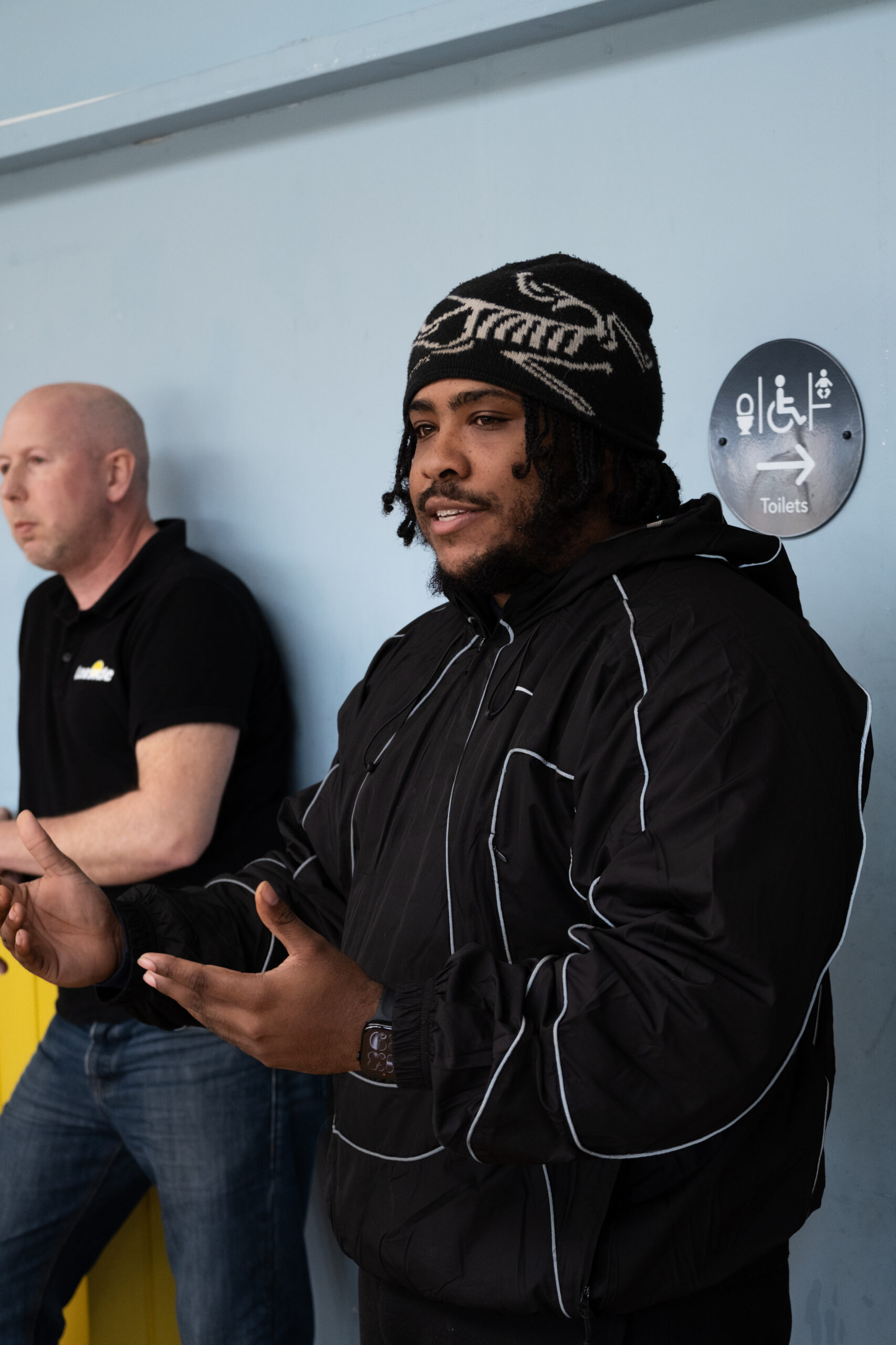
“The number of community organisations coming together to say enough is enough — just in the last year on the Lea — is extraordinary. None of this could happen without everybody in this room.”
Lewis Elmes, Environment Agency, London Lea Catchment Coordinator

“London is currently working on a plan to clean London’s rivers over the next 10 years. We’re going to be announcing 10 specific sites. What we don’t want is a plan that just gets shelved.”
Mete Coban, Deputy Mayor of London for Environment and Energy

“Until now we’ve been talking about managing pennywort. Now we’re talking about eradicating it. The hope is that over the next few years the Lea won’t have any pennywort in it anywhere.”
James Hepworth, London Lea Catchment Partnership, Thames21
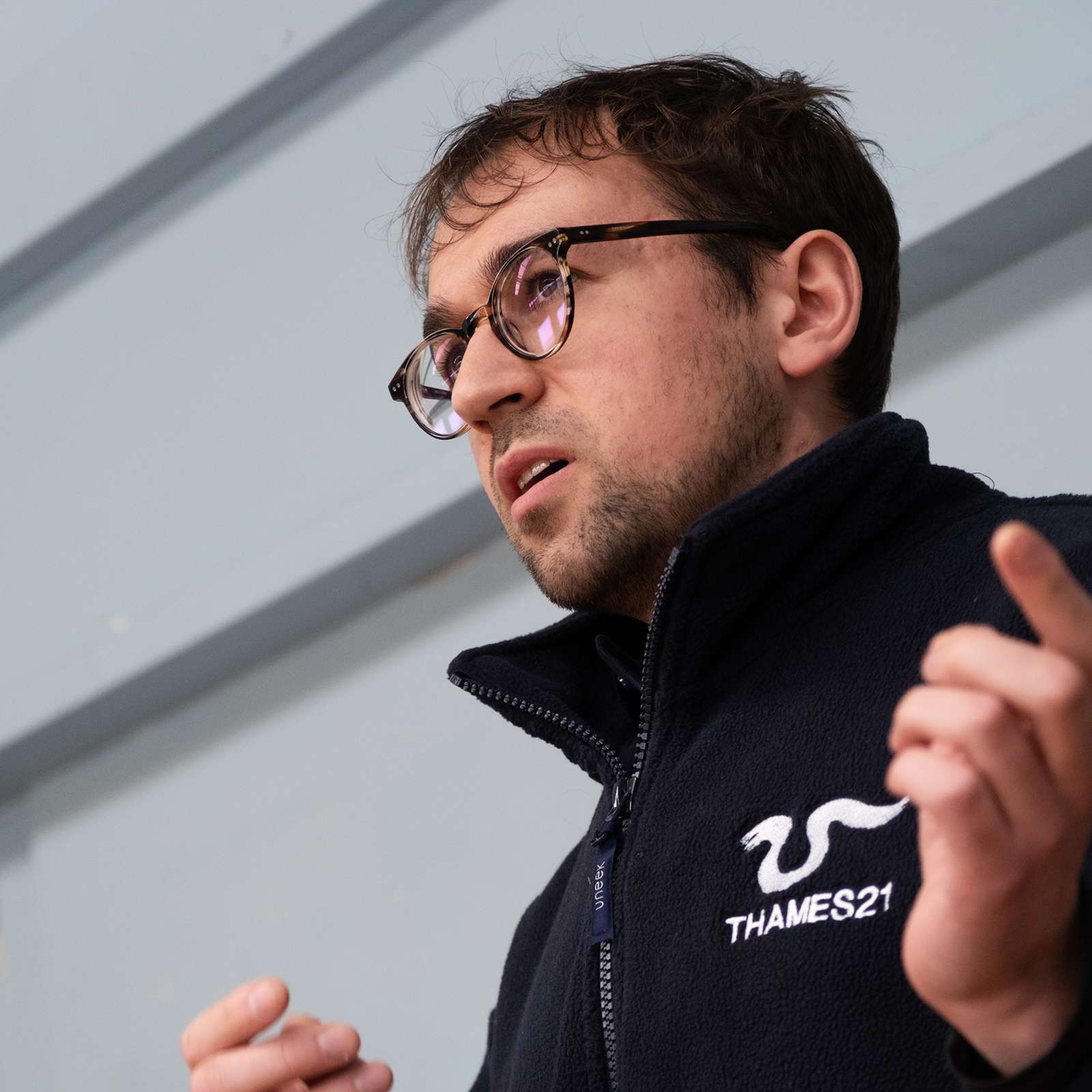
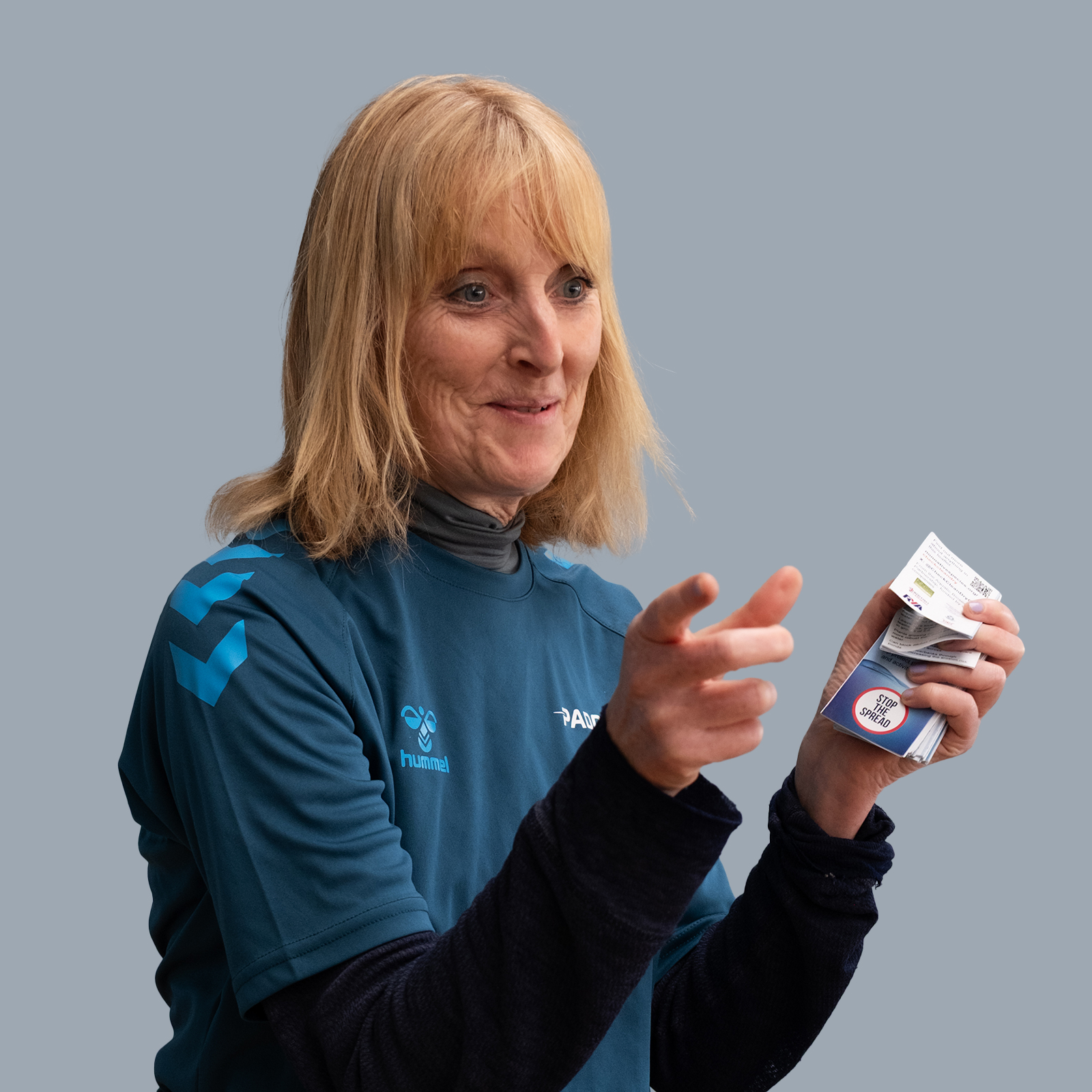
“We thought it would be great for the children at our kayak club to learn about it — and the adults really liked it too, so it became a fun environmental activity. Bit by bit we got funding, we’re getting more people involved, and the aim is to eradicate it. We’ve got a strategy, we’re getting there.”
Pippa Rowlandson, Paddle UK Floating Pennywort Project Coordinator
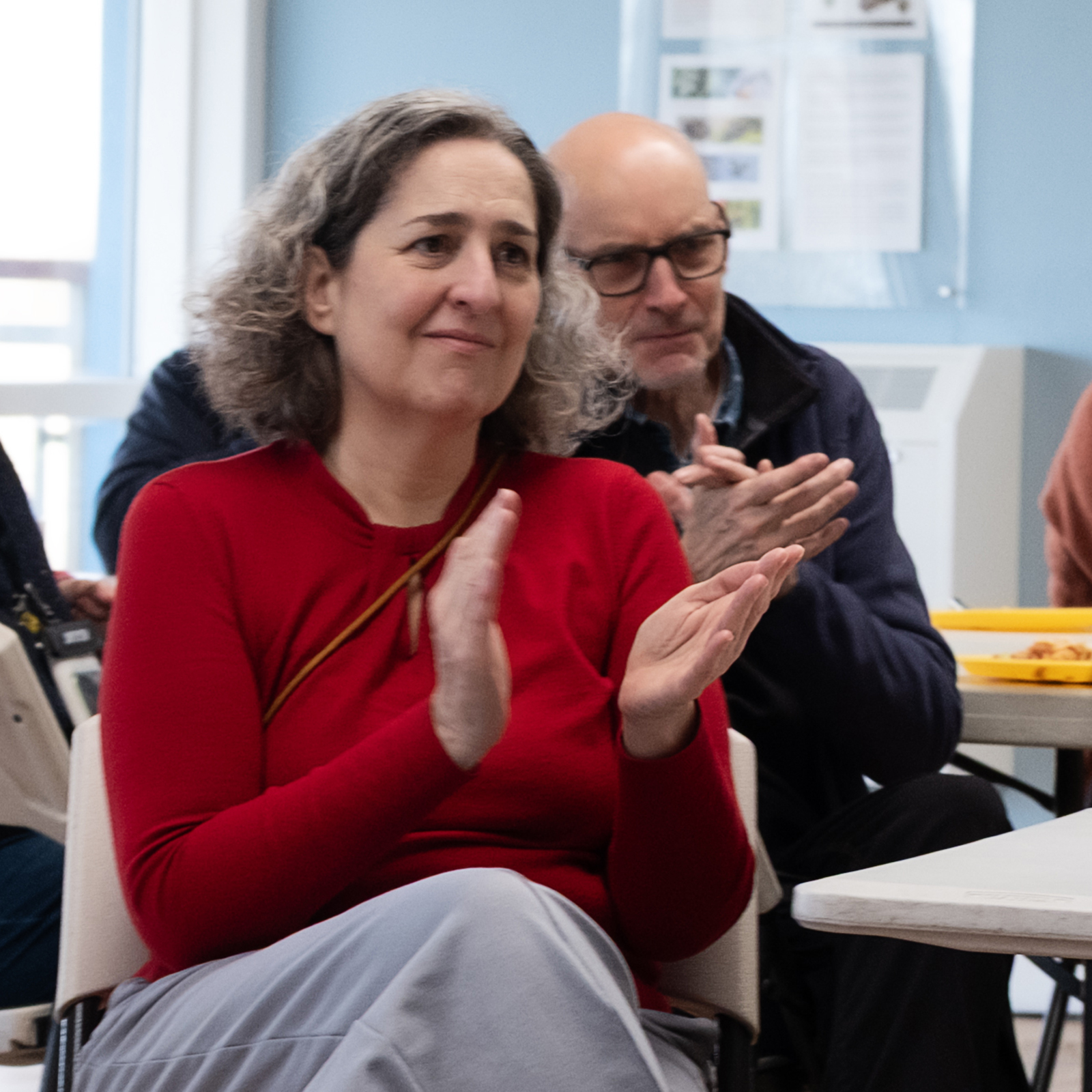
“This is not just about cost. This is about organisation. Thank goodness we’ve got Leaside and all of you here to pull us together.”
Caroline Woodley, Mayor of Hackney
A moment that mattered: equity on the water
Running through the day was a theme that connects river health to something deeper. Access to the water and to nature more broadly, is not equally shared. Our Lead Youth Worker Tyreek spoke about community members who don’t come to Leaside because they’ve heard the water is dirty. Our Director Beth reflected on what it means to tell a young person that being in contact with nature is a health risk.
As Mete Coban put it, this is a question of social and racial justice. Black and brown communities in London are among those least likely to swim, least likely to access blue and green spaces, and — without organisations like Leaside — least likely to have the opportunities the river can offer. Poor water quality doesn’t just harm the environment. It widens the gap.
What comes next
The event was a beginning, not a conclusion. The conversation in the room generated real momentum and some clear directions for action.
We are grateful to every person who came, paddled, listened, and spoke. To the senior politicians who gave their time and engaged seriously with what they saw. To the river campaigners and community partners who have been doing this work, often quietly, for years. And to our own team — Ian, Tyreek, Daisy, Sam, and the young volunteers Rio, Marcus, and HK who make the river come alive for young people every single day.
The Lea is worth fighting for. We will keep fighting for it.